Breast Cancer Treatment Stage
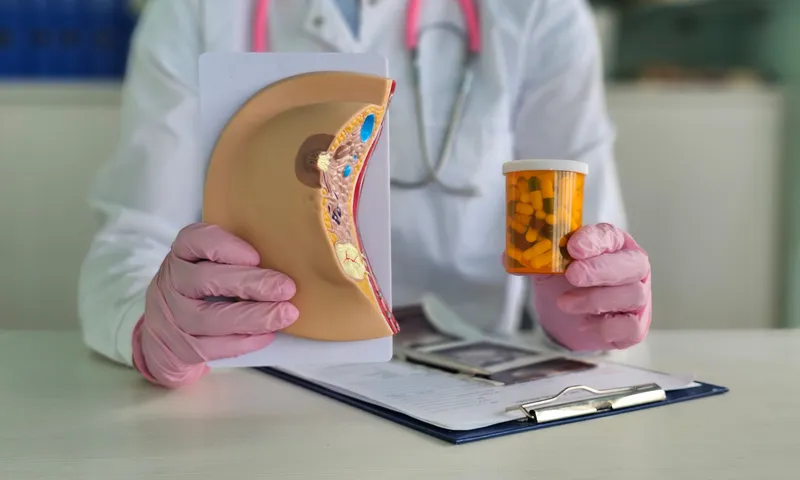
Breast cancer is a complex condition that affects individuals in different ways depending on how early it is detected and how far it has progressed. Treatment decisions are guided by several factors, including tumor size, lymph node involvement, hormone receptor status, and overall health. Understanding how treatment is determined at each breast cancer treatment stage can help patients and caregivers better navigate care options and feel more prepared during the treatment process.
Understanding Breast Cancer Staging
Breast cancer staging describes how much cancer is present in the body and whether it has spread beyond the breast. Stages typically range from stage zero, which refers to non-invasive cancer, through stage four, where cancer has spread to distant organs. Staging helps healthcare providers assess prognosis and select the most appropriate treatment approach.
Early stage breast cancer is often confined to the breast or nearby lymph nodes. As the stage increases, the cancer may involve more lymph nodes or spread to other parts of the body. Accurate staging is essential because treatment strategies differ significantly based on how advanced the cancer is at diagnosis.
Treatment Options by Stage
Treatment plans are personalized, but there are general approaches commonly used at different points in the disease. When discussing the stages of breast cancer and treatment, earlier stages often focus on removing the tumor and reducing the risk of recurrence. Surgery is frequently the first step and may involve lumpectomy or mastectomy depending on the size and location of the tumor.
Radiation therapy is often used after surgery to destroy remaining cancer cells and lower the chance of the cancer returning. Hormone therapy may be recommended for hormone receptor positive cancers to block estrogen or progesterone from fueling cancer growth.
For more advanced stages, treatment may include chemotherapy to target cancer cells throughout the body. Chemotherapy can be used before surgery to shrink tumors or after surgery to reduce the risk of spread. Targeted therapies may also be used when the cancer has specific genetic or molecular features that respond to certain medications.
In stage four breast cancer, also known as metastatic breast cancer, treatment focuses on slowing disease progression, managing symptoms, and maintaining quality of life. Systemic therapies such as hormone therapy, chemotherapy, and targeted treatments are often central to care at this stage.
Ongoing Monitoring and Support
Breast cancer treatment does not end when active therapy is completed. Ongoing follow up is an important part of care to monitor for recurrence, manage side effects, and support long term health. Follow up appointments may include imaging, blood tests, and physical exams based on individual risk factors and treatment history.
Emotional and practical support is also essential throughout treatment. Many patients benefit from counseling, support groups, and educational resources that help them cope with the physical and emotional impact of cancer.
Final Thoughts
Breast cancer treatment is guided by the stage of the disease, along with individual health factors and tumor characteristics. Understanding how treatment decisions are made at each stage can help patients feel more informed and involved in their care. With advances in screening, targeted therapies, and supportive care, many people with breast cancer are able to manage their condition and maintain a good quality of life with the support of their healthcare team and access to reliable treatment options through CanPharm.
IMPORTANT NOTE: The above information is intended to increase awareness of health information and does not suggest treatment or diagnosis. This information is not a substitute for individual medical attention and should not be construed to indicate that use of the drug is safe, appropriate, or effective for you. See your health care professional for medical advice and treatment.