Is There a Vaccine for Malaria
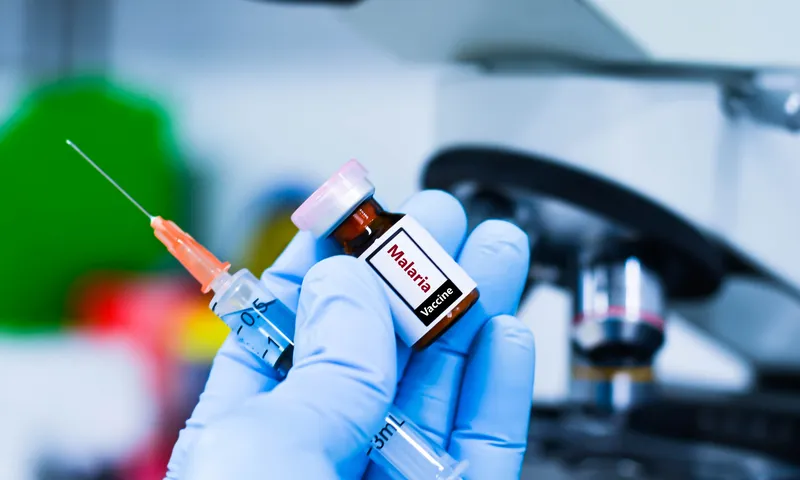
Malaria remains a serious health concern in many parts of the world, particularly for people living in or traveling to regions where the disease is common. Because malaria can cause severe illness and, in some cases, be life threatening, prevention is often a major focus. Many people naturally wonder whether vaccination is an option and what other steps can be taken to reduce risk. Understanding current prevention strategies and how malaria is managed can help individuals make informed decisions before travel or potential exposure.
Understanding Malaria
Malaria is a disease caused by parasites that are transmitted to humans through the bite of infected mosquitoes. Once inside the body, the parasites travel to the liver and bloodstream, leading to symptoms such as fever, chills, headache, muscle aches, and fatigue. In severe cases, malaria can cause complications affecting the brain, kidneys, or other organs. The onset of symptoms occurs within 10 days to a month after the initial infection. Some people may not be aware they are infected for a year after their bite. The risk of malaria varies by region, with higher prevalence in parts of Africa, Asia, Central and South America, and Oceania. Early diagnosis and treatment are essential to prevent serious outcomes.
Is There a Vaccine for Malaria
Many people ask, is there a vaccine for malaria that can fully prevent infection. In recent years, malaria vaccines have been developed and approved for limited use in certain settings, primarily in regions with high transmission rates. These vaccines can help reduce the risk of severe illness, particularly in children, but they do not provide complete protection. Because protection is partial, vaccination alone is not enough to prevent malaria. Other preventive measures, including mosquito avoidance and preventive medications, remain important even where vaccines are available.
Is There a Malaria Vaccine for Travelers
Another common question is whether there is a malaria vaccine available for travelers. At this time, malaria vaccines are not routinely used for travel related prevention. Instead, travelers are typically advised to take preventive medications and use protective measures such as insect repellent, bed nets, and appropriate clothing. Healthcare providers assess malaria risk based on travel destination and duration, then recommend the most appropriate prevention strategy. These measures are highly effective when followed consistently.
Treatment and Prevention Options
Malaria prevention often involves prescription medications taken before, during, and after travel to high risk areas. These medications help prevent the parasites from causing illness if exposure occurs. If malaria is diagnosed, prompt treatment with antimalarial medications like Qualaquin or Lariam are critical to clear the infection and prevent complications. Treatment choice depends on factors such as the type of parasite, geographic region, and severity of illness. Early treatment significantly improves outcomes.
Bottom Line
There are malaria vaccines available in limited settings, but they do not replace other prevention methods. While there is not a current vaccination requirement as a primary option for most travelers, preventive medications, mosquito protection, and early treatment remain the most effective ways to reduce malaria risk. With proper planning and medical guidance, malaria can often be prevented or treated successfully.
IMPORTANT NOTE: The above information is intended to increase awareness of health information and does not suggest treatment or diagnosis. This information is not a substitute for individual medical attention and should not be construed to indicate that use of the drug is safe, appropriate, or effective for you. See your health care professional for medical advice and treatment.