Ulcerative Colitis Remedies
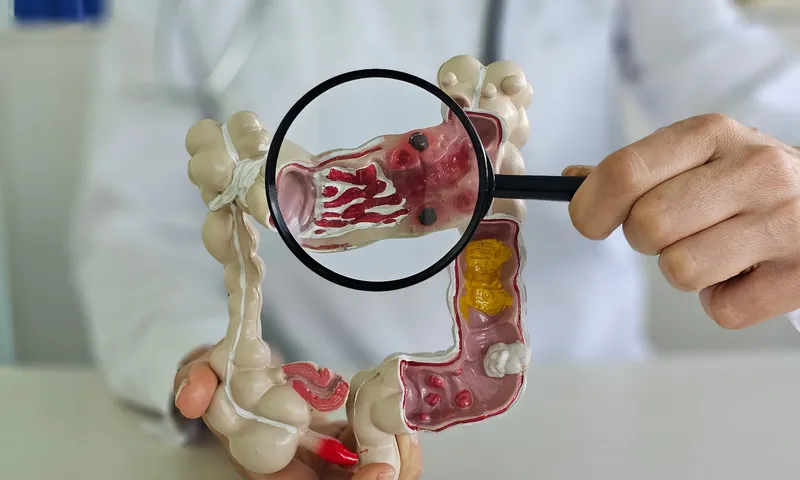
Living with ulcerative colitis often means learning to manage unpredictable symptoms that can disrupt daily routines, work, and social life. Abdominal pain, urgency, fatigue, and flare-ups can make even simple plans feel uncertain. After diagnosis, many patients begin looking for ways to reduce symptoms and regain a sense of control, which naturally leads to questions about available remedies and long-term management. Knowing what actually helps ulcerative colitis, and what role treatment plays alongside lifestyle adjustments, can make managing the condition feel more achievable.
Understanding Ulcerative Colitis
Ulcerative colitis is a chronic inflammatory bowel disease that affects the lining of the large intestine and rectum. Inflammation causes the bowel lining to become irritated and ulcerated, leading to symptoms such as diarrhea, bleeding, cramping, and fatigue that can vary in intensity over time. The condition typically follows a relapsing and remitting pattern, meaning symptoms may improve for periods of time before returning, sometimes without clear triggers.
While the exact cause is not fully understood, ulcerative colitis is believed to involve immune system dysfunction influenced by genetic and environmental factors, including gut microbiome changes. Because it is a chronic condition, treatment focuses on controlling inflammation, reducing flare-ups, and maintaining remission rather than curing the disease.
Ulcerative Colitis Remedies and Symptom Relief
Ulcerative colitis treatment typically starts with 5-ASA medications such as Colazal or Lialda, which help reduce inflammation in the lining of the colon. For some patients, rectal treatments like suppositories or enemas may be used alongside oral medication to improve symptom control.
If 5-ASA therapy is not enough, corticosteroids may be prescribed for short-term relief during flare-ups. Other options include immunomodulator medications or JAK inhibitors, which help regulate immune system activity and support remission.
Surgery is rarely needed and is usually considered only when medications are ineffective or complications occur. Most people with ulcerative colitis are able to manage symptoms successfully with medication and appropriate dietary adjustments.
Medication Access and Ongoing Care
Because ulcerative colitis requires ongoing management, reliable access to prescribed medication is an important part of long-term care. Many patients experience symptom flare-ups when treatment is interrupted, which is why consistency is often emphasized by healthcare providers. As a result, patients frequently ask where to buy ulcerative colitis medications in a way that is safe, regulated, and convenient.
Prescription treatments should always be obtained through licensed pharmacies that require a valid prescription and follow proper dispensing standards. Using regulated sources such as Canpharm helps ensure medications are authentic, stored correctly, and dispensed with appropriate oversight. Reliable access to treatment supports continuity of care, reduces the risk of missed doses, and plays an important role in maintaining remission and long-term symptom control.
Bottom Line
Ulcerative colitis remedies focus on controlling inflammation, easing symptoms, and maintaining remission over time. While lifestyle adjustments may help support overall wellbeing, prescription treatment remains essential for managing the condition safely and effectively. With proper medical care and consistent access to treatment, many people with ulcerative colitis are able to manage symptoms and maintain a stable quality of life.
IMPORTANT NOTE: The above information is intended to increase awareness of health information and does not suggest treatment or diagnosis. This information is not a substitute for individual medical attention and should not be construed to indicate that use of the drug is safe, appropriate, or effective for you. See your health care professional for medical advice and treatment.