Home Remedies for Ulcers
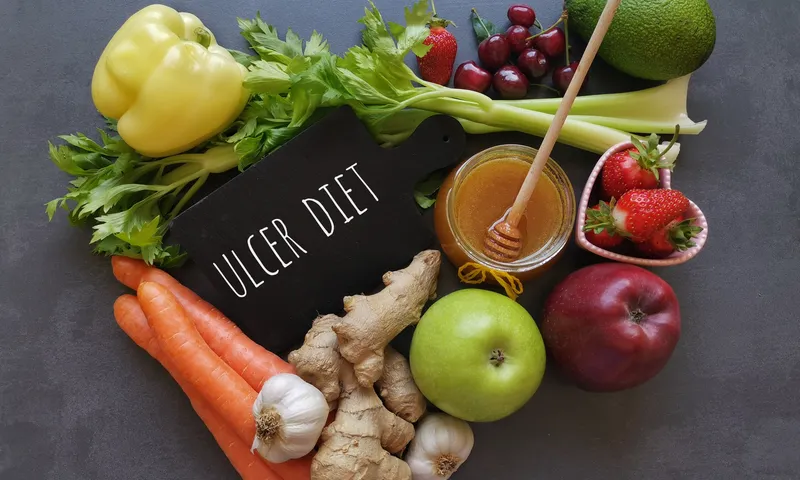
Living with a stomach or intestinal ulcer can be uncomfortable and, at times, disruptive. Burning pain, bloating, nausea, or symptoms that worsen on an empty stomach often prompt people to look for relief outside of prescription treatment alone. Many patients are interested in what they can do day to day to ease discomfort, which commonly leads to questions about home remedies and lifestyle changes that may support healing.
Understanding what helps relieve ulcer symptoms, and where home care fits alongside medical treatment, can make managing the condition feel more manageable.
Understanding Ulcers
Ulcers are open sores that develop along the lining of the stomach, small intestine, or esophagus. They are most commonly caused by infection with Helicobacter pylori bacteria or long term use of nonsteroidal anti inflammatory medications. These sores form when protective mucus layers are weakened, allowing stomach acid to irritate underlying tissue. Ulcer symptoms can range from mild discomfort to persistent pain and may worsen if left untreated. While some ulcers heal with proper care, others require ongoing treatment to prevent complications such as bleeding or recurrence.
Natural Ulcer Relief and Symptom Support
When people search for home remedies for ulcers, they are often hoping to reduce pain or support healing naturally. Certain lifestyle adjustments may help minimize irritation, including eating regular meals, avoiding trigger foods, and limiting alcohol or caffeine intake. Stress management and adequate sleep may also play a role in reducing symptom flare ups.
Some individuals explore dietary choices believed to support gut health, such as foods that are gentle on the stomach or that promote balance in the digestive system. While these approaches may help improve comfort, they do not address the underlying causes of ulcers and should not replace medical treatment.
Medical Treatment Remains Essential
Ulcer treatment usually focuses on reducing stomach acid so the affected area can heal. Proton pump inhibitor medications such as Prilosec or Prevacid are commonly used to lower acid levels in the stomach and upper intestine. Additionally, taking anti inflammatory medications with food may help reduce irritation. Over the counter antacids can offer temporary stomach relief but are less effective for small intestine ulcers. Dietary adjustments may also be recommended during treatment.
Medication Access and Ongoing Care
Because ulcers can recur if treatment is interrupted, reliable access to prescribed medication is an important part of long term care. Patients often ask where to buy ulcer medications safely and responsibly. Prescription treatments should always be obtained through licensed pharmacies that require a valid prescription and follow appropriate dispensing standards.
Using regulated pharmacies helps ensure medications are authentic, properly stored, and provided with professional oversight. Consistent access supports treatment adherence and reduces the risk of symptom return or worsening.
Bottom Line
Home remedies for ulcers may help reduce discomfort and support overall digestive health, but they are not a substitute for medical treatment. While lifestyle changes can play a helpful supporting role, prescription therapy is often necessary to promote healing and prevent complications. With proper medical care and consistent treatment, many people with ulcers are able to manage symptoms and recover safely over time.
IMPORTANT NOTE: The above information is intended to increase awareness of health information and does not suggest treatment or diagnosis. This information is not a substitute for individual medical attention and should not be construed to indicate that use of the drug is safe, appropriate, or effective for you. See your health care professional for medical advice and treatment.